
A Personal Trainer's Guide: GLP-1s, Resistance Training and Nutrition
GLP-1s Work. But They're Not the Whole Plan.
GLP-1 medications like Ozempic, Wegovy, and Mounjaro ring through your household with catchy jingles on every commercial these days.
I had the same questions: what are peptides, what do they do, are they safe and effective? I have been reading up on them, following the latest research and updates, and listening to different podcasts with a variety of experts and perspectives over the last 2-3 years. Let’s go beyond the catchy jingle.
So What Even Is a GLP-1?
GLP-1 stands for glucagon-like peptide-1. It's a hormone a healthy body makes naturally, your gut releases it after you eat. It signals your brain that you're full, slows down digestion, and tells your pancreas to release insulin (resulting in weight loss). It's part of your body's built-in appetite regulation system.
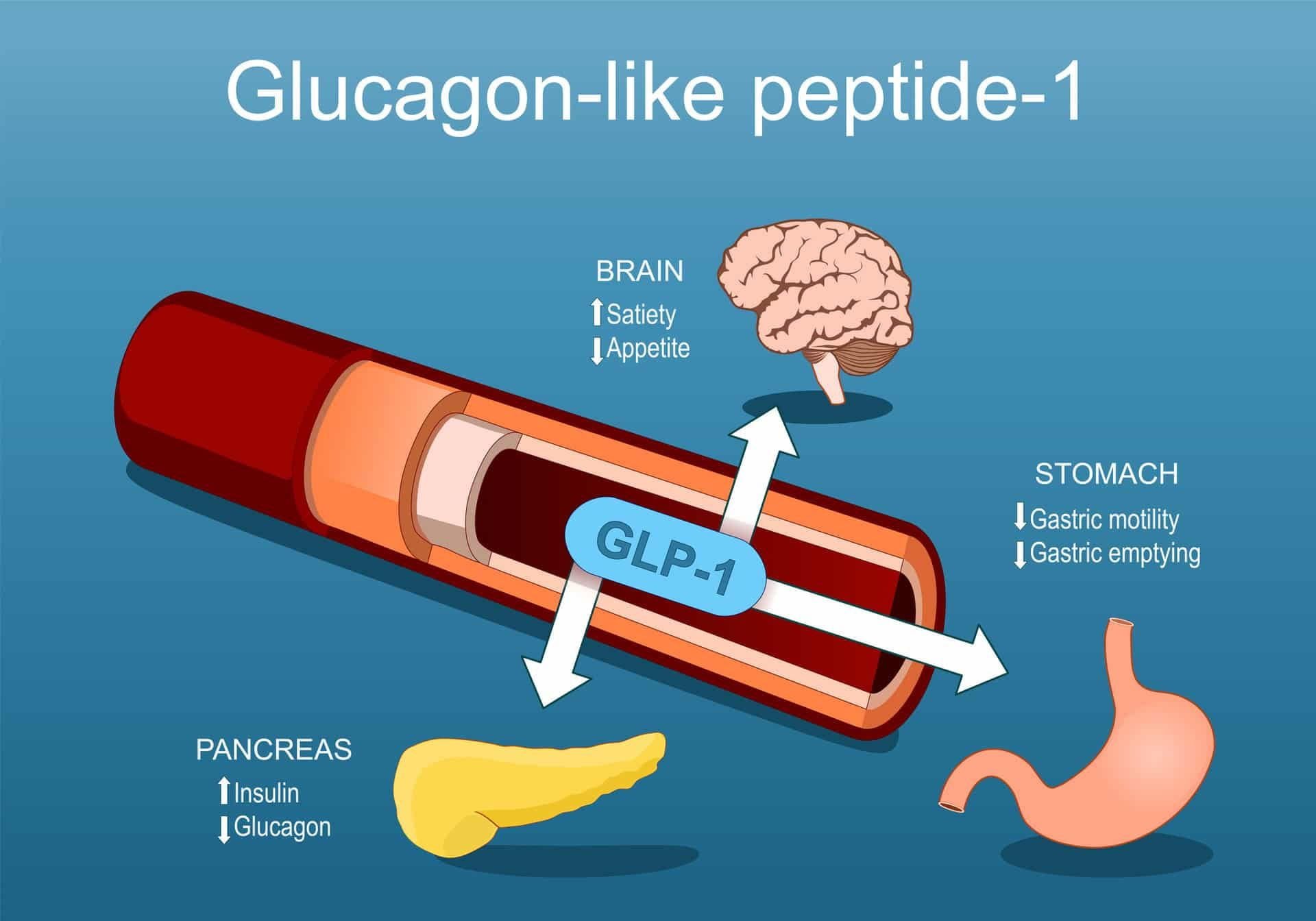
GLP-1 medications are peptides. Peptides are short chains of amino acids, which are the same building blocks that make up protein. Your body literally uses peptide signals to run almost every process. So rather than being a foreign chemical that overrides your system, a GLP-1 works by mimicking a hormone your body already knows. It just lasts a lot longer than the real thing which is how it slows down appetite and digestion resulting in weight loss.
If a cell needs instructions, a traditional drug yells across the entire crowded room. Every cell hears it, and may react to the noise, even if the message wasn't meant for them.
A peptide walks directly over to one specific cell and whispers the exact instruction. No other cells hear it, keeping the rest of the body non-reactive.
These peptides are life changing for people dealing with obesity, type 2 diabetes, or metabolic conditions that have been fighting them for years. They reduce hunger signals in the brain, help regulate blood sugar, and make it easier to eat less without white-knuckling every meal.
But here's what I think everyone needs to know: taking a GLP-1 with no plan for resistance training and nutrition could leave you in worse shape than when you started.
"I've worked with many clients who, despite nearly perfect effort in the gym and on their nutrition, can't seem to reduce body fat. We know that to lose weight, calories consumed need to be less than calories burned. But after working with thousands of bodies, I've met a handful of people where despite tracking nutrition, strength training, and doing everything right the weight won't move.
In my professional opinion, these people are living in a 'grey area.' Their bodies are too sick to get healthy the traditional way, but they're 'not sick enough' to be diagnosed and receive medical support. That leaves very few levers to pull. Progress becomes almost unbearably slow despite intense effort, and burnout sets in before results do. I fully support these clients choosing to invest in a GLP-1.
GLP-1 prescriptions are at an all-time high and are even being prescribed to healthy young individuals and children. Young women especially are being targeted and once again (for the millionth time) caught in another race to keep up with 'thin ideals.' In an ideal world, these medications would only go to those suffering real health consequences from their weight. They would be prescribed alongside a personal trainer."
— Coach Siggy
Why Are Peptides Suddenly Taking Over the World?
It feels like we went from never hearing the word "peptide" to seeing it plastered on every ad, wellness podcast, and skincare bottle overnight.
In reality, we have been using peptides for over a century. Like the peptide insulin, which was first used to treat diabetes in the 1920s.
It just feels brand new because of a perfect storm of pharmaceutical breakthroughs, social media, and shifting laws.
In the past, if you wanted to explore peptide therapies (for muscle recovery, longevity, or injury healing), you had to seek out niche, expensive anti-aging clinics. Today, direct-to-consumer platforms have completely re-invented the process. You can get a virtual consultation, a prescription, and a vial shipped to your door in less than a week. How long until peptides are on Amazon?
The regulatory landscape has been a mess. In 2023, the FDA cracked down on compounding pharmacies (pharmacies that can make peptides) and put many popular lifestyle peptides on a restricted list due to a lack of formal FDA approval. However, regulatory shifts in 2026 moved many of the restricted peptides back to "Category 1" status. That created a legal pathway for compounding pharmacies to manufacture them, sparking the massive wave of availability and marketing we are seeing right now.
For decades, scientists struggled to make peptides viable drugs. Naturally, peptides are fragile, your stomach acid destroys them and clears them out fast (which is why most are injected). Recent breakthroughs have allowed scientists to modify their structures, making them stable enough to last for days or weeks in the body with a single dose.
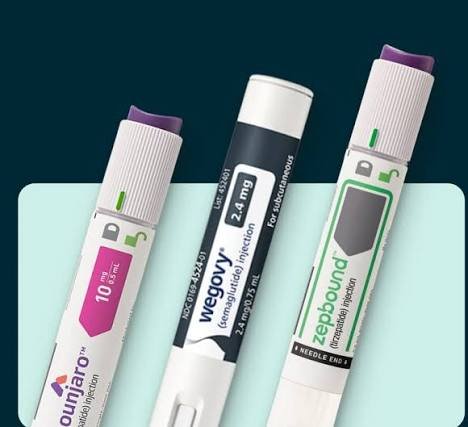
GLP-1s are currently the only peptide that is FDA approved and has been assigned a Drug Identification Number. This also means that it can be patented and sold as different brands like Wegovy, Ozempic, Semaglutide, etc. That is why you can easily get access to GLP-1s, but not many other peptide therapies that could help with hair loss, gut issues, muscle building, recovery and healing, to name a few.
The Part Nobody Warns You About
When you lose weight quickly whether from a GLP-1, a crash diet, or surgery your body loses fat AND muscle.
Losing muscle is one of the fastest ways to end up in a hospital bed. An under-muscled community is riddled with just as many health problems as an obese one. Are we just swinging the pendulum to the other side?
“The STEP-1 clinical trial on semaglutide found that approximately 39–45% of weight lost came from lean mass, not fat. (Wilding et al., New England Journal of Medicine, 2021; further analysis published 2023.) A 2024 systematic review and network meta-analysis confirmed this pattern across multiple GLP-1 and dual-agonist medications. (ScienceDirect, 2024.)”
Without a plan to protect your muscle, you're trading one problem for another.
What Muscle Loss Actually Looks Like
Muscle isn't just about looking fit. It's what keeps your metabolism running. It protects your joints. It makes you functional as you age with carrying groceries, playing with your kids, not feeling like your body is failing you at 45.
Have you ever walked into a seniors care home and seen curled spines that can't hold a head upright? Or known someone who walks miles every day and still lives in chronic joint pain? Healthy hearts and brains can still suffer when the structure around them is too weak to support load and fight gravity. That's what an under-muscled generation starts to look like.
Why Resistance Training Is Non-Negotiable
When on a GLP-1, you’re likely tired, maybe sore, and nauseous. The last thing you want to do is lift weights.
But resistance training is the most powerful tool you have to preserve muscle while in a calorie deficit.
When you lift something heavy, your body gets a signal: muscle is required here. Instead of breaking it down for fuel, it protects it because your lifestyle is demanding it. With the right nutrition (specifically enough protein and enough calories), your body can even build new muscle to meet the demands you're placing on it.
A 2018 systematic review and meta-analysis found that resistance training reduced 93.5% of caloric restriction-induced lean body mass loss in participants on low-calorie diets. (Sardeli et al., Nutrients, 2018.) Studies with higher training volumes (10+ weekly sets per muscle group) showed almost zero lean mass loss even in significant deficits. (PMC, 2022.)
Even two sessions a week makes a real difference. You don't need to become an athlete. You need to show your body that muscle is worth keeping.
When you sit all day, you're telling your body: life is easy, we don't need much. When you challenge your capacity, you're telling it: we need quality tissue to thrive.
Nutrition FOR GLP-1s
GLP-1s reduce your appetite, that's the whole point. But eating less also means it's very easy to under-eat protein. And protein is the raw material your muscles need to survive and rebuild.
Most people on these medications aren't coming close to enough protein. When you're eating 1,000–1,200 calories a day (this number is chosen based on what I have seen from my clients on GLP-1s), you have to be completely intentional about what those calories are.
When the goal is simply to preserve muscle, we target 0.8–1.0g of protein per pound of lean body weight. Here's how that math works:
Your lean body weight = your total weight minus fat mass.
Let's say you're a 150-pound person at 22% body fat. That's about 33 pounds of fat mass. So your lean body weight is 117 pounds which means your daily protein target is 117g of protein.
Now let's say you're hitting that with chicken breast across a few small meals. That's already roughly 600 calories in 3-4 chicken breasts. Or 5 cups of 2% greek yogurt at 800 calories Most GLP-1 users I've worked with are struggling to eat 1,000 calories total in a day.
*We don’t recommend eating only chicken or yogurt, these are simply used to display nutrition math.
If we have no regard for nutrition while on a GLP-1, we miss out on the building blocks our body needs and set ourselves up for more health problems, not fewer.
Long term plans for GLP-1 USERS
At some point, you'll hit your goal and you'll need to come off the medication. And if you haven't built the fitness and nutrition habits to support your new weight, the weight will come back. Fast.
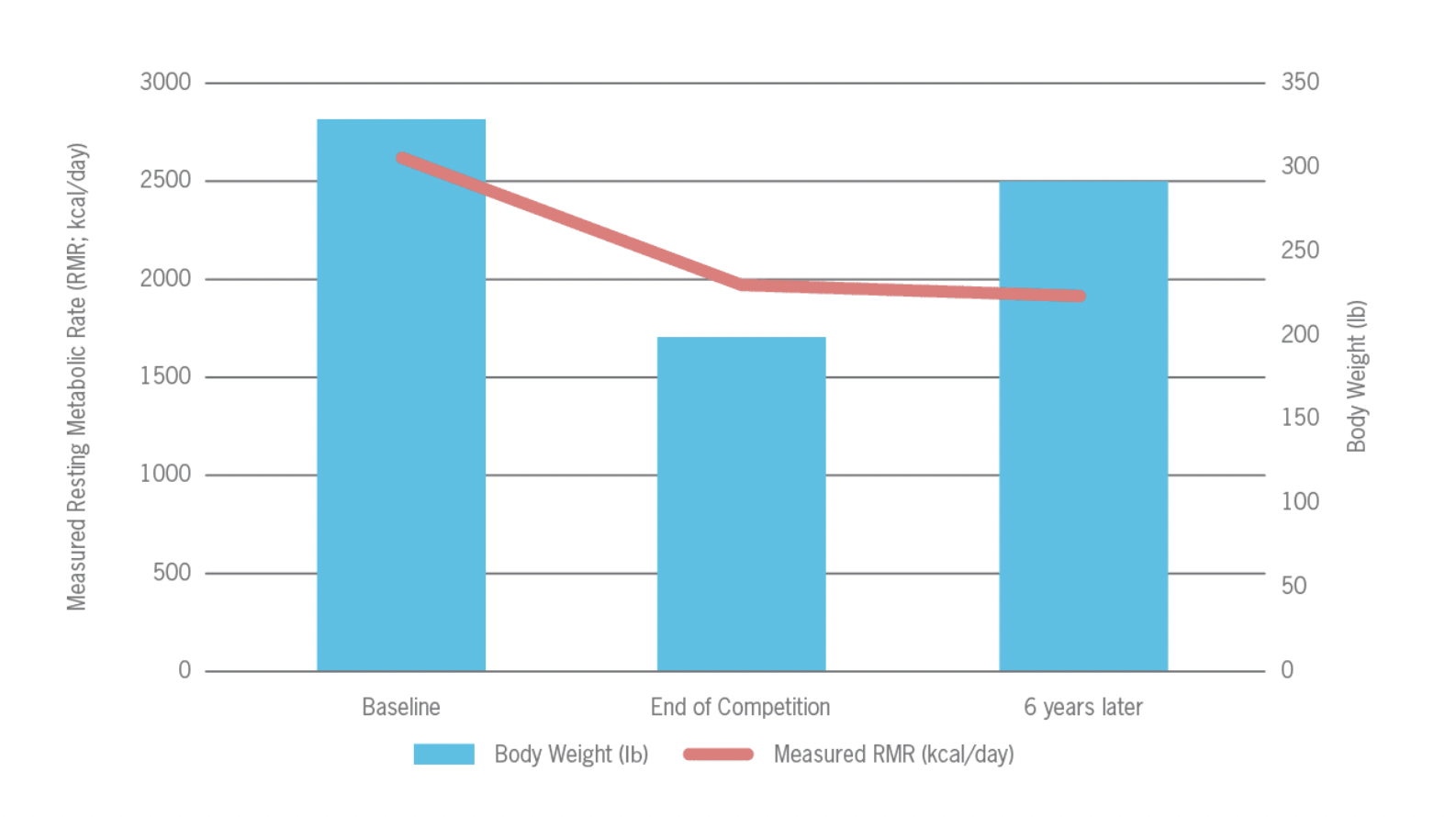
We've seen this play out before. The 2016 Biggest Loser study followed 14 contestants six years after the show. On average, they'd regained 41 of the 58 kilograms they lost. And their resting metabolism had permanently slowed by an average of 704 calories per day below baseline. That’s a direct result of the muscle mass they lost during extreme rapid weight loss. That metabolic damage persisted years later. (Fothergill et al., Obesity, 2016.)
My Honest Opinion
I think GLP-1s have opened a door for a lot of people who were genuinely stuck. The stigma around them is unfair, and the current research backs their effectiveness for the right populations.
But I've also seen what happens when people use them without support. They lose weight. They also lose strength, energy, and muscle they'll spend years trying to rebuild if they ever do.
The research on GLP-1s is still young. We don't have 20-year data yet. Science is always evolving. We're still unpacking the damage done by overprescribed birth control in the 2010s. And HRT, which was once labelled dangerous and pulled from prescriptions, is now being recognized for genuine benefits in the right populations. That's not me saying GLP-1s are dangerous. That's me saying our understanding of any medication develops over time. Our bodies are complex, individual, and ever changing just like the environments we live in and the science we study.
If your health is already at risk due to being over weight and you’ve tried to add more fitness and choose healthy foods consistently over a long period of time then the potential future risks of a new peptide may be worth the current real risks you’re facing right now. That’s an individual decision, that I can’t answer in a blog post. But we can help and support you, no matter what phase of the health journey you’re in.
What This Looks Like at Jolt
We work with people at every stage of their health journey. If you're on a GLP-1 and you want to make sure you're doing this right, we can build you a program that protects your muscle, supports your energy, and sets you up for the long game.
This isn't about doing more. It's about making sure what you're already doing works for life..
Book a Free Movement Analysis and let's put the ball back in your own hands. We'll talk through a real plan that fits your goals, your schedule, and your budget.
References
Wilding JPH et al., "Once-Weekly Semaglutide in Adults with Overweight or Obesity" — NEJM, 2021
STEP-1 lean mass analysis — multiple 2023–2024 publications via PubMed/ScienceDirect
Systematic review on GLP-1 body composition — ScienceDirect, 2024
Sardeli AV et al., "Resistance Training Prevents Muscle Loss Induced by Caloric Restriction in Obese Elderly Individuals" — Nutrients / PMC, 2018
Lean mass sparing and resistance training volume — PMC, 2022
Fothergill E et al., "Persistent Metabolic Adaptation 6 Years After 'The Biggest Loser' Competition" — Obesity, 2016
