
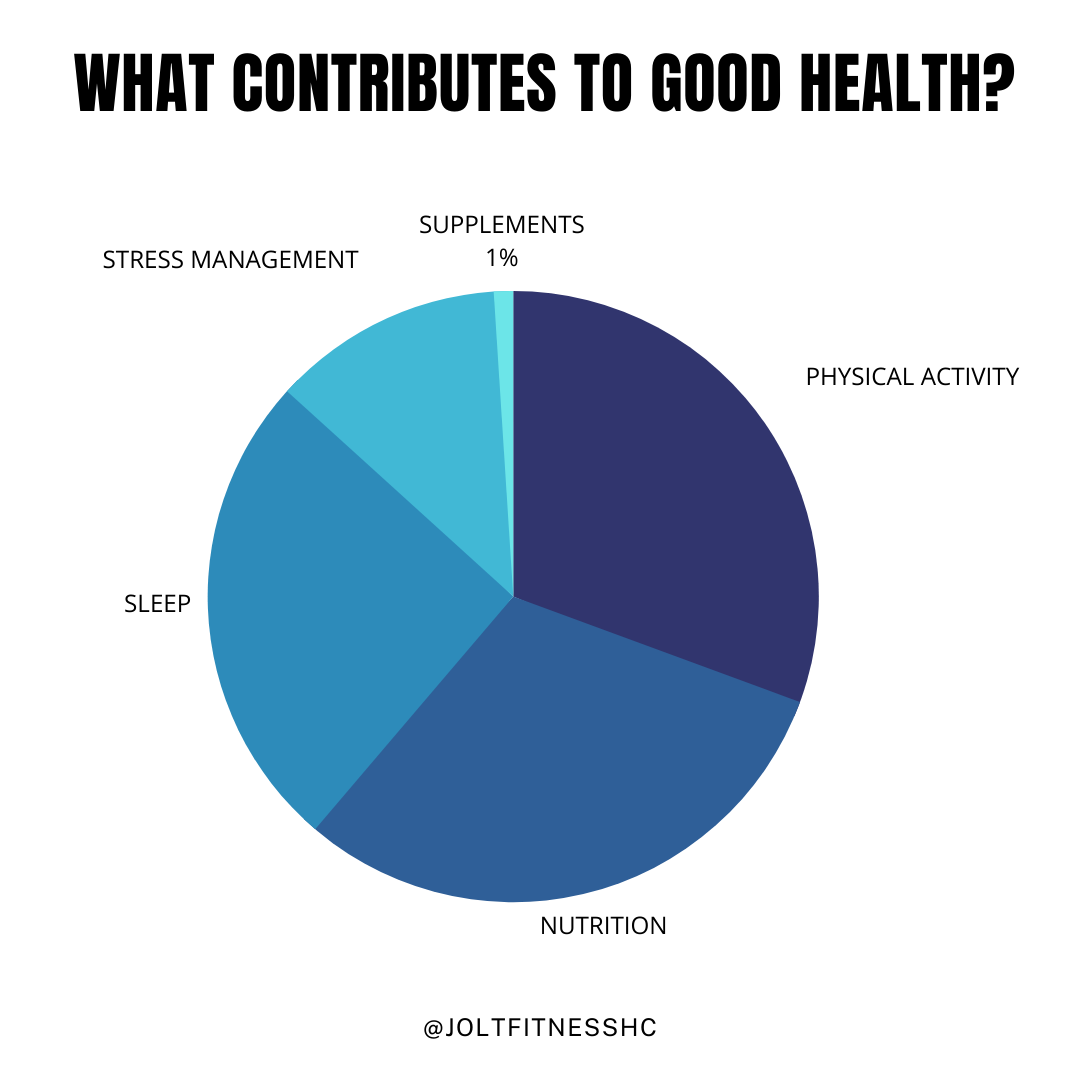
You're lifting consistently. Your sleep is solid. Your nutrition is dialed in. You've got the big rocks stacked and now you're wondering if supplements can push you to the next level.
The honest answer: maybe. But probably not in the way the supplement industry wants you to think.
Supplements are a small boost that compounds over time. A drop in the bucket of the investment of your health. Supplements sit on top of a foundation built by sleep, nutrition, stress management, and training. If you're trying to out-supplement poor sleep or a chaotic diet, you may as well throw your money away. The supplement industry will tell you there's a magic powder for everything. There isn't. But if you've locked down the fundamentals and you want to squeeze every last gain from your efforts, that's where smart supplementation comes in.
The supplement world is confusing, unregulated, and full of companies that profit more from your insecurities than your results. They want you to believe you need a pill when you wake up, before your workout, during your workout, after your workout, and before bed. The industry will be worth $150 to $200 billion in the next 5 to 10 years. That explains the celebrity endorsements, influencer partnerships, and slick marketing claiming transformation in a bottle.
As coaches and nutrition experts right here in Exeter, Ontario, we've seen clients waste money on supplements that don't work. We've also seen real transformation when people invest in quality supplementation after nailing the fundamentals.
Two Categories of Supplements (And Why One Matters More)
There are two distinct buckets of supplements, though there's overlap.
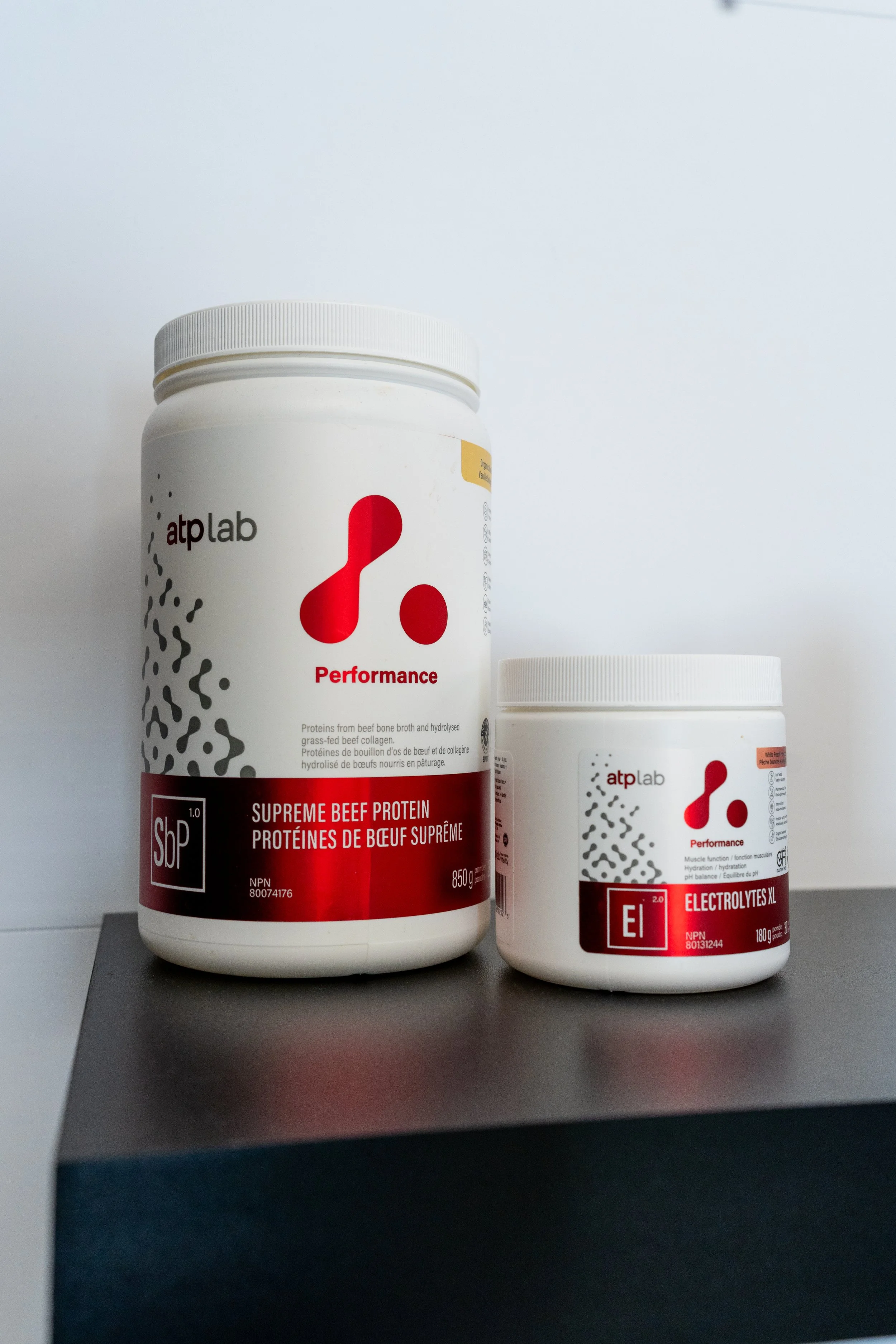
Performance and Beauty Supplements are built to target insecurities. Pre-workouts, fat burners, hair growth gummies, green juice and even “GLP” branded supplements—they come with fancy packaging and famous faces attached. Some of these aren't harmful, but most aren't necessary, and many don't deliver on their promises.
Health Supplements are different. These fill actual nutritional gaps. Your body needs them. They directly affect your quality of life. Think Omega-3s, Magnesium, Vitamin D, Creatine. These are things you should ideally get from food, but modern life, geography, and dietary choices make supplementation necessary for most people.
Marketing blurs these lines. Beauty companies rebrand themselves as health brands. Detoxes, collagen elixirs, and expensive supplement powders get sold as essential when they're mostly hype.
What to Look For in a Supplement (The Four Non-Negotiables)
Before you spend a dollar, know what separates quality from an expensive placebo.
1. High-Quality and Safe Ingredients
The supplement industry is barely regulated. Anyone can create a supplement and sell it online. Non Third Party Test companies can say there is “25g of protein per serving”, but don’t truly have to prove it. The FDA requires only the bare minimum: dietary supplements are often introduced to market without prior FDA notification. The agency regulates them post-market by inspecting manufacturing facilities and auditing product labels to prevent illegal medical claims. To ensure ongoing safety, the FDA also tracks adverse event reports and complaints submitted by consumers. This all happens after the supplement hits the shelf and only if brought to their attention.
This means products can look identical in their offer on the shelf and still vary wildly in quality in the bottle.
Look for these red flags and avoid them:
GMOs. Genetically modified organisms can affect nutritional content and your body's natural response. Long-term human research on GMOs is limited. Some European countries have banned them entirely.
Artificial colors. Yellow 5, Yellow 6, Red 40: research links these to cancer, allergies, hyperactivity, learning impairment, and aggression.
Artificial sweeteners. Aspartame, sucralose, saccharin, acesulfame-K, cyclamate can trigger migraines, IBS, bloating, digestive issues, and depression. They also create hyper-palatability. Your brain gets so used to extreme sweetness that fruit stops tasting sweet. You end up craving more and stronger sweetness long-term.
Titanium dioxide. It brightens food's color, making you more likely to buy it. The food aisle is a beauty pageant. It can be toxic in powder form and promotes overconsumption.
Magnesium stearate. It's a filler, preservative, emulsifier, binder, and thickener. Your product lasts longer on the shelf.
Great companies take quality into their own hands through third-party testing.
2. Third-Party Testing
Third-party certification means an independent lab, with nothing to gain from your purchase, tested the product. They verify it's safe and that the label matches what's actually inside.
Many supplement companies skip testing to cut corners and reduce costs. They use poor-quality ingredients, skim on dosages, or spike products. Spiking means claiming you have an ingredient but only sprinkling it in, so they can check that marketing box. Cheaper supplements often contain heavy metals like mercury, arsenic, and lead. Vegan protein powders are the worst offenders.
Here's something stunning: nutrition labels only have to be 20% accurate. That's a huge variation. Some muscle-building products hide sodium to trick people into thinking they've gained muscle weight when it's just water retention. Amino acid spiking is common in protein powders. Companies claim whey protein isolate but spike it with amino acids to pass basic testing.
Look for these third-party certifications:
CGMP(current good manufacturing practice, related to the FDA)
Informed Choice(global quality assurance for sports nutritional supplements)
Lab Door(independent U.S. lab that tests products off the shelf, not what companies send)
NSF Certified for Sport(certified for professional and Olympic sports leagues)
Examine.com(independent analysis and research)
Remember: some companies test once. Some test every batch. Quality companies test consistently and frequently.
3. Nutrient Dosage
Cheaper supplements hide weak dosages with "proprietary blend." That phrase translates to "we won't tell you exactly how much of what is in each scoop." It's crucial to verify your supplement has enough of the active compound to create the effect it claims. This varies based on what you're taking and your personal deficiencies.
Quality matters. Cheaper products use cheaply sourced ingredients. Remember that 20% label accuracy issue. This is why third-party testing is non-negotiable.
For protein powder specifically, check that one scoop delivers:
120 to 150 calories
20 to 30g of protein
1 to 3g of carbs (eat your carbs if you prefer; some prefer powders with more carbs for convenience)
Less than 5g of fat
Less than 1g of sugar (avoid artificial sweeteners)
No artificial colors or additives
Third Party Tested (non-negotiable)
4. Endorsements and Agendas
Is the person recommending supplements actually qualified to do so? Many influencers look great and sell supplements. Looking fit and understanding sports nutrition are two different jobs.
Check their credentials. Do they provide research and education, or just a pretty video and a six-pack? Supporting small creators is awesome, but make sure they do their job well.
New study going viral? Don’t forget to check who paid for the research and the quality and legitimacy of that research.
Asking AI? Be sure to prompt correctly or you’ll waste your time in an echo-chamber of your own biases.
Five Supplements That Waste Your Money
1. BCAAs (Branched-Chain Amino Acids)
BCAAs are three essential amino acids found in every complete protein source. All animal proteins contain them. Taking BCAA supplements is an expensive way to flavor water. They're typically loaded with additives, colors, and sweeteners.
You only need BCAAs if you're protein-deficient, like some vegans and vegetarians. But that problem is solved more efficiently by eating more protein. Most people consuming 0.5 plus grams of protein per pound of body weight get plenty of BCAAs from their diet. If you're already hitting your protein target with whole foods or a quality protein powder, BCAAs may be unnecessary.
2. Fat Burners
If fat burners worked, obesity wouldn't be an issue. The compounds that actually worked for fat loss have been banned globally. For good reason. The current ingredients have minimal benefit and come with serious risks: disrupted sleep, anxiety, irregular heartbeat.
Fat burners work by using caffeine or bitter compounds to suppress appetite slightly and increase thermogenesis. But your body adapts to stimulants. You build tolerance. You need more to feel the effect. You create a nasty cycle of dependency. Better to invest this money elsewhere. Sleep, nutrition, and training deliver far better returns.
3. Pre-Workout
Before adding pre-workout, prioritize sleep. High-quality sleep beats any powder.
If you want a boost, plain caffeine works. Coffee has more benefits than the additives in pre-workout. That tingling, skin-crawling feeling from pre-workout? That's excess Beta-Alanine. It doesn't meaningfully improve your workout. It's mostly a placebo effect.
If you insist on pre-workout, keep caffeine low. Some products have 400mg. That's three large coffees worth. Your body adapts to caffeine intake. Cycle it on and off every couple of weeks so it works when you take it. Otherwise, you're just chasing the feeling.
4. Multivitamins
It's a band-aid fix. You're coating your entire body with minimal doses of nutrients you may or may not need. This isn't an effective way to manage your health.
Instead, get blood work done. Let your doctor identify your specific deficiencies, then supplement accordingly. Multis are cheap and typically low-quality. Targeted supplementation beats a one-size-fits-all powder.
5. Beauty Teas, Powders, and Gummies
The beauty and health industries stand alone at hundreds of billions of dollars. Mostly women's money. Both are worth something. Together, they become a marketing machine.
Here's the truth: you feel and look better by putting yourself first and getting consistent with your workouts. You look better when you sleep more, drink more water, eat whole foods, and lift weights.
Jolt's Top Supplements (The Ones Worth Your Money)
This is not medical advice. Consult your doctor or naturopath before starting anything new, especially if you take prescription medications.
1. Protein Powder (Whey or Whey Isolate)
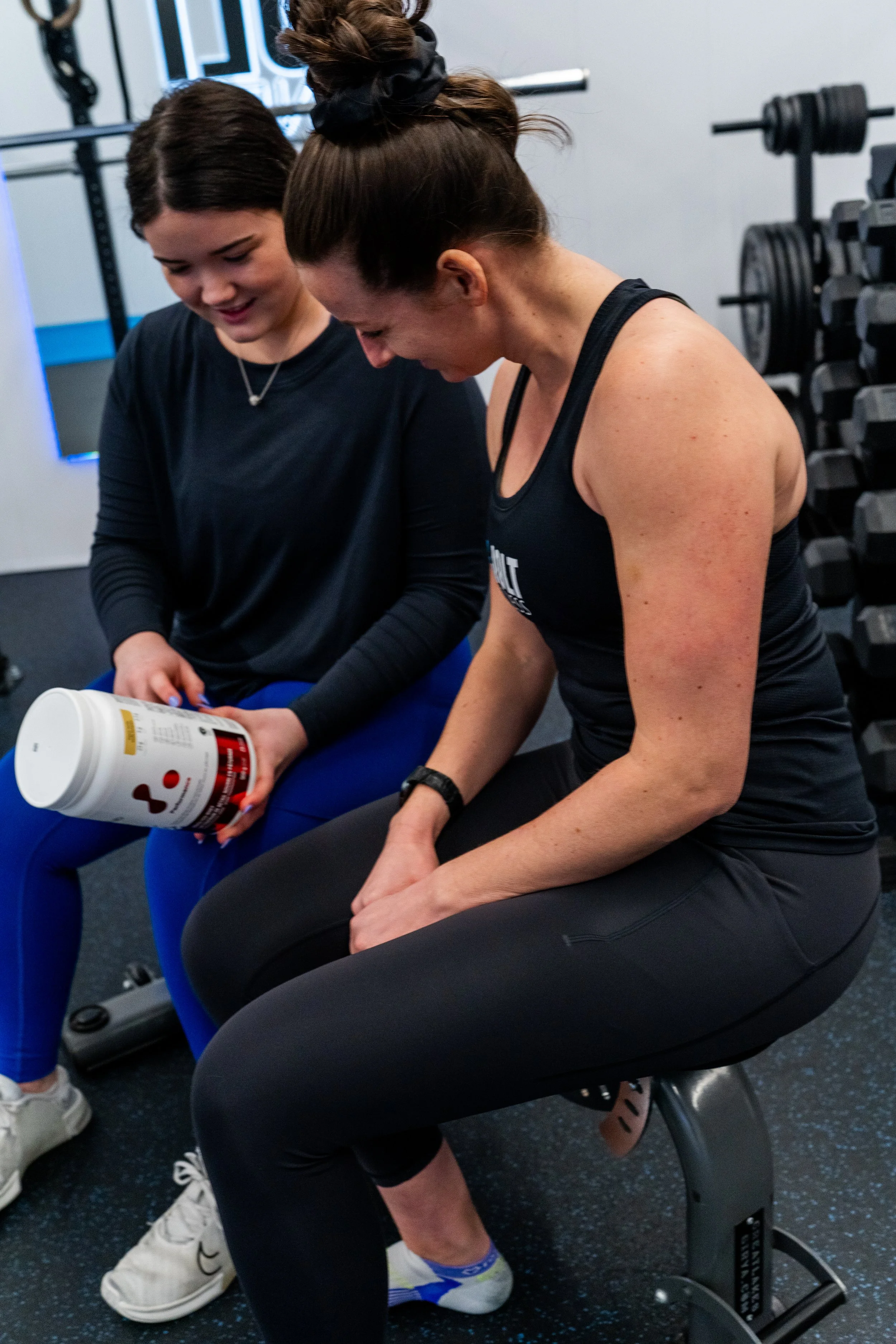
Third Party Tested Whey protein is the best way to hit your daily protein target. Aim for 1 gram of protein per pound of lean body weight when building muscle. One chicken breast is 25g of protein. For a 150lb person wanting ~120g daily, you need a lot of chicken. Protein powder gets you there without hours of meal prep.
Whey is ideal because it contains all amino acids, digests easily, and is safe. If digestion is easy, your body uses it effectively throughout the system. Quality matters. Many people blame whey for digestion issues when the real culprit is low-quality whey or poor processing. Switch to a higher-quality brand or whey isolate, and the problem often disappears.
We’ve sourced the best high quality protein powder that meets the Jolt standards at the best price (2026):
ATPLab Grass Fed New Zealand Whey: $33/lb
Diesel Grass Fed New Zealand Whey: $41/lb
Canadian Protein Grass Fed New Zealand Whey $38/lb
2. Creatine Monohydrate
The research is heavy, and the claims hold up. It increases strength, muscle mass, and cognitive function by helping more oxygen and energy reach your brain. Emerging research explores creatine's role in brain health and potentially preventing neurodegenerative disease.
Take 5g daily, any time of day. No cycling needed. If your stomach is sensitive, start at 2g daily and build up.
3. Omega-3 Fish Oil
Polyunsaturated fatty acids are essential. Your body can't make them. You must consume them. Omega-3s decrease coronary artery disease risk, lower blood pressure, prevent irregular heartbeats, and support mental and physical health. Without healthy fats, you're more likely to suffer depression, Alzheimer's, cancer, and obesity.
The Western diet is backward. We over-consume Omega-6 (processed foods) and under-consume Omega-3 (wild fatty fish, grass-fed beef). A typical Western diet has a 16 to 1 Omega-6 to Omega-3 ratio. The optimum is closer to 3 to 1. Research shows Omega-3s prevent heart disease, depression, schizophrenia, and bipolar disorder.
Most people need Omega-3 supplementation to balance this ratio. A quality fish oil supplement should smell like fresh fish and contain both DHA and EPA. If it smells rancid or causes nasty fish burps, it's low-quality and may contain mercury.
Look for products certified by IFOS (International Fish Oil Standards).
4. Vitamin D
Most Canadians are deficient in Vitamin D due to limited sunlight and life spent behind screens. Vitamin D fights disease, supports brain health, and aids fat loss. You might be deficient if you're often fatigued, frequently sick, showing signs of depression, experiencing bone pain or body aches, healing slowly from wounds or illness, or experiencing hair loss.
Vitamin D also helps with insulin resistance and stubborn fat loss. Current research suggests the effective dose may exceed the RDA (recommended dietary allowance).
5. Magnesium
Roughly half the population is magnesium-deficient. Magnesium plays a role in hundreds of bodily reactions. It affects how you use nutrients, energy, genes, muscles, and your nervous system. It enhances exercise performance, aids recovery, improves sleep quality, reduces PMS symptoms, and fights inflammation and depression.
Signs of deficiency: poor recovery, achy bones, disrupted sleep, muscle cramps and tremors, brain fog, and headaches. Take magnesium before bed to reduce stress, boost recovery, and sleep better.
Magnesium Bi-Glysinate is the most effective form for best supplementation for the benefits listed above. Cheaper alternatives are usually offered in the form of Magnesium citrate or oxide which does not render the desired results.
6. Electrolytes
Not Gatorade. Electrolytes are potassium, sodium, calcium, and magnesium working together.
They're great for people in high-stress jobs, shift work, outdoor physical labor, or anyone who eats mostly whole foods (which means lower sodium intake). Electrolytes keep you hydrated, fighting headaches, brain fog, and fatigue. They support muscle contractions, so they're helpful if you experience muscle cramps.
Choose an electrolyte powder without added sweeteners, sugar, or additives. Modern research shows it's not sodium alone that causes hypertension. It's overconsumption of processed foods combined with lack of physical activity. If you eat whole foods, your electrolyte dosage can be higher without risk.
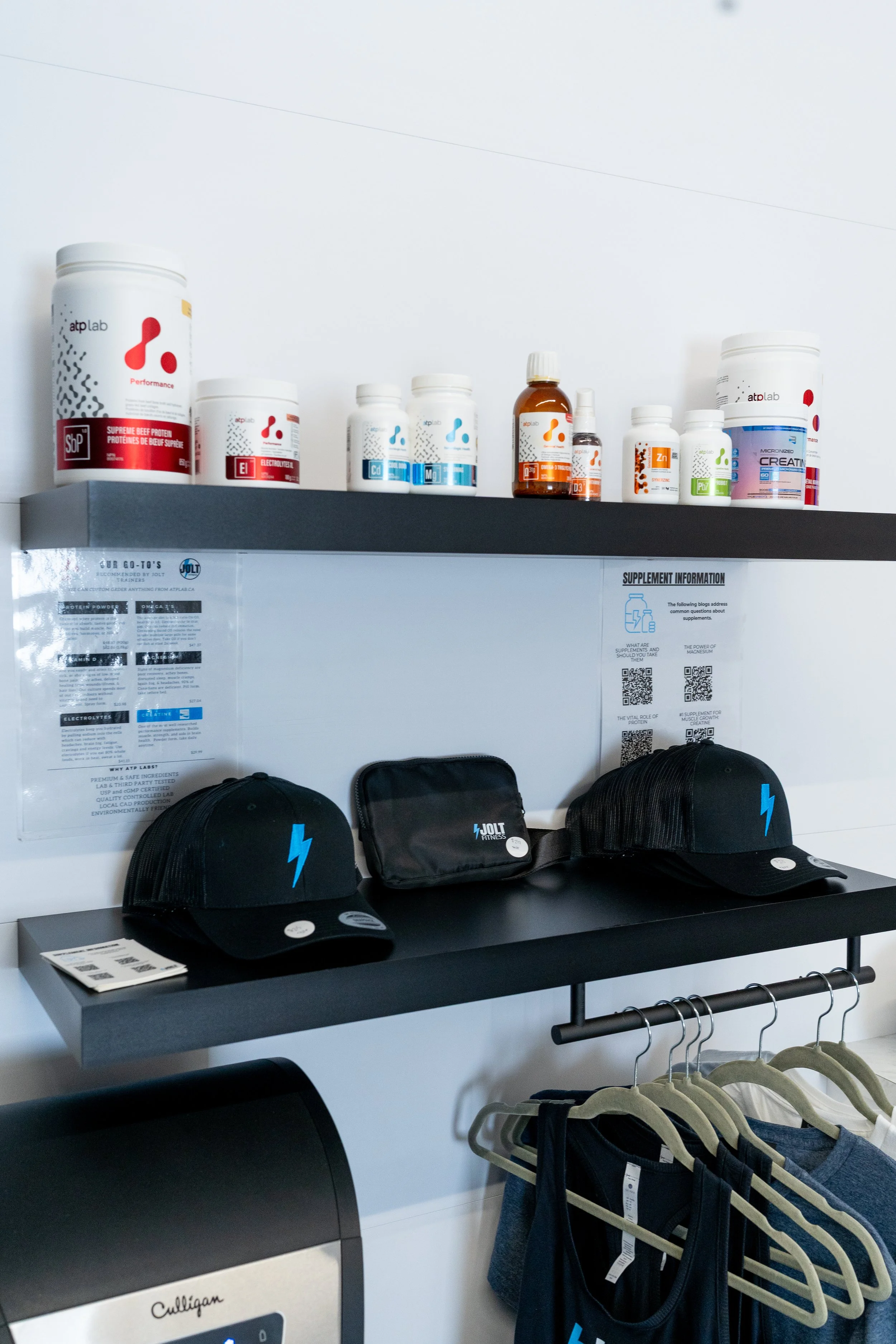
Jolt's Approved Supplement Partner: ATP Labs
ATPLab is a Canadian company that tests every single batch four times. It's third-party tested, cGMP certified, and Informed Choice certified. There's zero heavy metal contamination, a common problem in cheap supplements.
All ingredients are high-quality, filler-free, free of GMOs, artificial colors and sweeteners, magnesium stearate, and titanium dioxide. Every step happens in-house in Canada, meaning constant oversight of lab, processing, and production. No overseas sourcing.
Their marketing is refreshingly honest. No YouTube celebrities or gimmicky campaigns. You pick what you actually need, not what an influencer is paid to promote.
You can grab ATP Labs at Jolt Fitness. We restock every 90 days, and current inventory is listed in the app. Prices match the ATP Labs website, but buying from Jolt supports a small local business.
We can help you decide what you need. Ready to build your supplement strategy on a foundation of sleep, nutrition, and training? Book a Free Movement Analysis. Let's talk about what your body actually needs.
Supplements are a boost on top of a solid foundation. Master sleep, nutrition, stress management, and training first. Then, if you've locked down the big rocks, smart supplementation can help you get the gains. But only if you buy quality, verify third-party testing, and avoid the hype.
Skip the marketing noise. Focus on what your body actually needs. That's how you build resilience that lasts.
References
Andersson, R., Nilsson, M., & Lindström, J. (2010). The omega-6/omega-3 fatty acid ratio: health implications. OCL - Oilseeds and Fats, Crops and Lipids, 175, 267–277.
Brugts, M. P., Brinkhuis, M., Gleeson, M., et al. (2025). Creatine supplementation and muscle-brain axis: a new possible mechanism? Frontiers in Nutrition, 12, 1579204. https://doi.org/10.3389/fnut.2025.1579204
Chilibeck, P. D., Candow, D. G., & Facci, M. (2025). Eight weeks of creatine monohydrate supplementation is associated with increased muscle strength and size in Alzheimer's disease: data from a single-arm pilot study. Frontiers in Nutrition, 12, 1670641. https://doi.org/10.3389/fnut.2025.1670641
Clean Label Project. (2023). Protein powder contamination study: Heavy metals in sports supplements. Retrieved from https://cleanlabelproject.org/protein-study/
Consumer Reports. (2023). Protein powders and shakes contain high levels of lead. Health & Wellness Division. https://www.consumerreports.org/lead/protein-powders-and-shakes-contain-high-levels-of-lead-a4206364640/
Directorate, Health Canada. (2023). Canadian Health Measures Survey: Vitamin D status of Canadians, 2007 to 2019. Statistics Canada. Retrieved from https://www150.statcan.gc.ca/n1/daily-quotidien/231128/dq231128e-eng.htm
FDA (Food and Drug Administration). (2020). FDA 101: Dietary Supplements. Retrieved from https://www.fda.gov/consumers/consumer-updates/fda-101-dietary-supplements
Fullscript. (2024). Third-party supplement testing & certification standards explained. Retrieved from https://fullscript.com/blog/third-party-certifications
Health Canada. (2023). Vitamin D status of people 3 to 79 years of age from the Canadian Health Measures Survey 2012–2019. Nutrition Reviews, 81(6), 923–935.
Harvard T.H. Chan School of Public Health. (2024). Salt and sodium: The nutrition source. Retrieved from https://nutritionsource.hsph.harvard.edu/salt-and-sodium/
Hruby, A., & Karlson, E. W. (2013). The epidemiology of omega-3 fatty acid deficiency in the United States. Nutrients, 4(8), 1151–1173. https://doi.org/10.3390/nu4081151
Institute of Medicine. (2011). Dietary reference intakes for adequacy: Magnesium and zinc. National Academies Press.
Kim, H., Golubkov, A., Zhang, X., et al. (2024). Global dietary magnesium deficiency: Prevalence, underlying causes, health consequences, and strategic solutions. International Journal of Preventive Medicine, 15(1), 46828. https://doi.org/10.31083/IJVNR46828
LaBella, V. P. (2013). Branched-chain amino acids in health and disease: metabolism, alterations in blood plasma, and as supplements. Nutrition & Metabolism, 15, 1–14. https://doi.org/10.1186/s12986-018-0271-1
Mayo Clinic. (2024). Pre-workout supplements: What's safe? What should you avoid? Mayo Clinic Press.
National Institutes of Health. (2023). Electrolytes and cardiovascular disease risk. PMC National Center for Biotechnology Information.
Nutrition Reviews. (2023). Vitamin D intakes of people living in Canada: An assessment using disaggregated population data from the 2015 Canadian Community Health Survey. Nutrition Reviews, 81(6), 734–745. https://doi.org/10.1093/nutrit/nuac086
OPSS (Office of Dietary Supplement Programs). (2024). Why is third-party certification important for dietary supplements? Retrieved from https://www.opss.org/article/why-third-party-certification-important-dietary-supplements
Pharmacy Times. (2021). Study: Half of all Americans are magnesium deficient. Retrieved from https://www.pharmacytimes.com/view/study-half-of-all-americans-are-magnesium-deficient
Roth, G. A., & Mensah, G. A. (2023). The effect of electrolytes on blood pressure: A brief summary of meta-analyses. Circulation Research, 122(12), 1505–1513.
Sripanyakorn, S., Jugdaohsingh, R., Mander, A., et al. (2009). The relation between vegetable and fruit consumption and bone health in women. Nutrients, 3(10), 1166–1175.
Statistics Canada. (2023). Canadian Health Measures Survey: Vitamin D status of Canadians, 2007 to 2019. Statistics Canada: Data Tables. Retrieved from https://www.statcan.gc.ca/o1/en/node/5099
Tinsley, G. M. (2024). How to use third-party testing to inform your dietary supplement decisions. Retrieved from https://granttinsley.com/third-party-testing-dietary-supplements
WebMD. (2024). Fat burner supplements: What are they, do they work, and more? Retrieved from https://www.webmd.com/vitamins-and-supplements/what-are-fat-burner-supplements
Zeratsky, K., & Mann, J. (2024). Beta-alanine: Overview, uses, side effects, precautions, interactions, dosing and reviews. WebMD Health & Medical Reference. Retrieved from https://www.webmd.com/vitamins-supplements/beta-alanine
Zhong, R., Li, Y., & Leman, M. (2024). Risks associated with fat burners: A toxicological perspective. Regulatory Toxicology and Pharmacology, 104, 105307. https://doi.org/10.1016/j.yrtph.2018.03.010
